
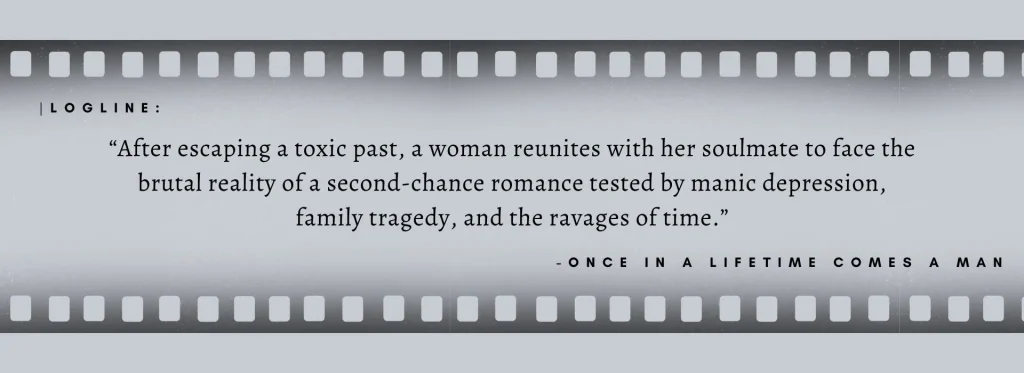
The book, “Once in A Lifetime Comes A Man” by Grace B. Larson received a Hollywood-style script. This story has great potential to be made into an engaging and profitable movie and is likely to do well in the movie industry. Given its detailed narration, it offers a vivid portrayal of the character’s emotions and situations. This not only aims to entertain but also to provoke thought about the changes needed in the way justice is administered and perceived.
The Movie Script Coverage Service is the foundation for writing a screenplay for the author’s book that will be stored in a database for potential movie adaptations by producers who are searching for a new film to adapt. Movie script coverage is a “book report” on a screenplay that contains basic information about the script, a summary of the film or book, and a comments or feedback section that highlights the work’s strengths and weaknesses.
To create a screenplay, an outline or cover of a movie script must first be created. Screenplays are the blueprint for the film that draws individuals into the film industry.
Imagine “Once in A Lifetime Comes A Man” unfolding on the big screen—soft winter light, a quiet kitchen, and an elderly woman baking a cake for the love she never stopped choosing. This story already feels cinematic at its core. The framing device alone—Grace at eighty, reflecting on a love that took decades to fully bloom—sets up a Hollywood-ready narrative filled with memory, longing, and emotional payoff. It’s the kind of opening that pulls audiences in gently, then refuses to let go.
Grace Larson’s journey is where the script truly shines. The contrast between her harsh, traumatic childhood and Lyle’s steady, grounded upbringing creates a powerful emotional imbalance that Hollywood dramas thrive on. The missed chances, the restraint during their first connection, and the decades-long separation feel tailor-made for a slow-burn romance film. The author’s tone is tender and reflective, giving the story a quiet strength that would translate beautifully to screen through subtle performances and intimate dialogue.
That said, a movie adaptation could lean even more into visual storytelling. Grace Larson’s writing favors introspection, which works wonderfully on the page, but a script version could benefit from more shown moments—small gestures, lingering looks, silence between words. Expanding certain scenes, especially their first reunion and their shared losses, would give actors space to fully embody the emotional weight already present in the story.
What makes “Once in A Lifetime Comes A Man” such a compelling Hollywood prospect is its honesty. This isn’t a glossy love story—it’s a life story, filled with grief, mental health struggles, family pain, and enduring devotion. Grace Larson’s voice is heartfelt and sincere, and with slight sharpening in pacing and cinematic detail, this story has the bones of a deeply moving film. It’s the kind of movie audiences leave quietly, thinking about love not as a moment—but as a lifetime.