
So we must remember when dealing with a person who has dementia or alzheimer's disease we have to try and think as if they do but quicker. What we have to remember at that moment is the only memory they have to hold on to want to last for very long. And whatever happens in between is already gone so they don't really remember today, tomorrow and yesterday is out the door.
an excerpt from the book
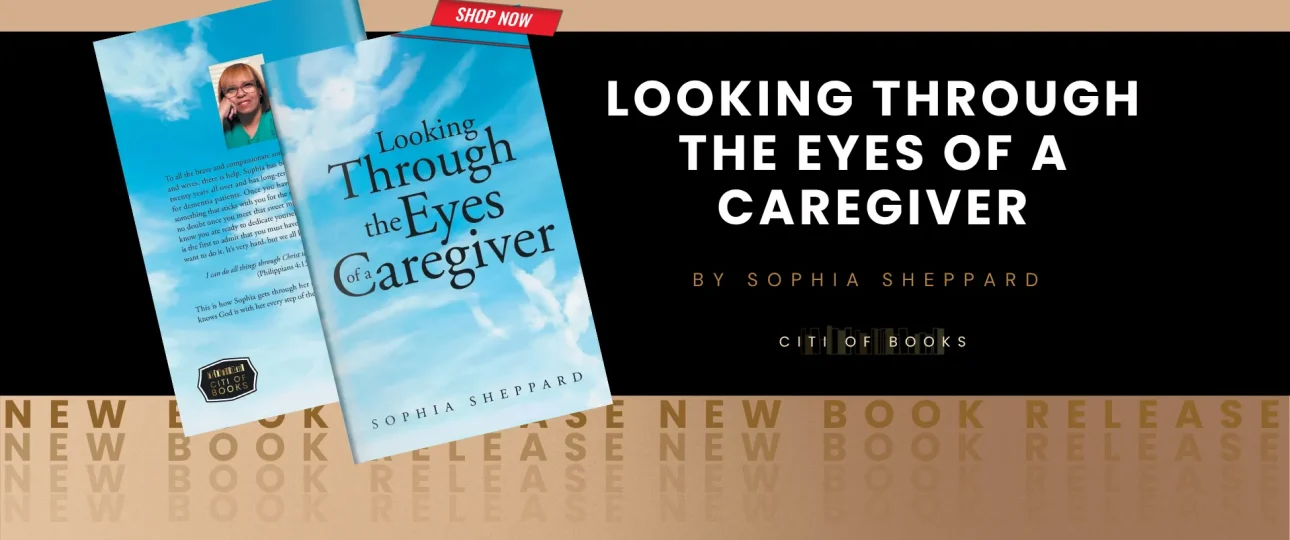
Caring for a loved one whose memory and abilities are changing can be one of life’s most emotionally demanding experiences. What may appear to be stubbornness, confusion, anger, or unusual behavior can actually be a person’s struggle to understand a world that no longer feels familiar. In “Looking Through the Eyes of a Caregiver,” Sophia Sheppard explores these difficult moments from the caregiver’s perspective while encouraging families to respond with patience, understanding, dignity, and love. Proudly published by Citi of Books, this is now available on Amazon, Barnes & Noble, and other major retail platforms.
The book combines realistic caregiving situations with practical observations and faith-based encouragement. Through recurring interactions between Janet, a caregiver, and Mrs. Anderson, a woman experiencing dementia, Sheppard illustrates how quickly an ordinary day can change. From bathing and eating to wandering, confusion, communication difficulties, and nighttime behavior, the book gives readers a candid look at the emotional and practical challenges caregivers can encounter.
The book begins by examining how dementia can affect behavior and how caregivers can respond when a loved one becomes confused, resistant, or difficult to manage. Janet’s experiences with Mrs. Anderson demonstrate that caregiving requires more than completing physical tasks. It requires learning how to communicate with someone whose perception of reality may be very different from the caregiver’s. Sheppard repeatedly emphasizes the importance of understanding the person’s emotional state instead of simply correcting them.
One of the early challenges involves helping Mrs. Anderson accept assistance. She does not initially understand why her daughter has hired Janet and believes that she can manage everything herself. She questions Janet’s presence, becomes suspicious, and resists attempts to help with bathing and other daily activities. Janet learns that building trust can require creativity, patience, and redirection. A conversation about Mrs. Anderson’s paintings, for example, provides Janet with an opportunity to shift her attention and establish a more comfortable connection.
The book does not present caregiving as an easy task. Instead, it acknowledges the frustration, exhaustion, uncertainty, and heartbreak that can accompany watching someone you love gradually change. At the same time, it reminds caregivers that their loved one’s personality and emotions remain meaningful even when memory and communication begin to disappear.
The recurring experiences of Janet and Mrs. Anderson make the subject easier to understand. Readers see how something as ordinary as taking a bath, eating lunch, getting dressed, using a walker, or going to bed can become unexpectedly difficult. These situations demonstrate why caregivers need flexibility and why insisting on logic may not always work when someone is experiencing cognitive decline. Sheppard encourages caregivers to redirect rather than argue, listen rather than dismiss, and respond with warmth rather than frustration.
The book is also valuable because it remembers the caregiver. It recognizes that the person providing care can become overwhelmed and may need help, rest, education, support groups, or professional assistance. Learning about dementia, according to Sheppard, can reduce confusion and frustration by helping families understand why their loved one behaves differently.
Most importantly, “Looking Through the Eyes of a Caregiver” asks readers to approach dementia with compassion. Its message is not that caregivers can fix the disease, but that they can choose how they respond to the person living with it. Through patience, faith, empathy, and a willingness to see the world from another person’s perspective, caregivers can continue providing love even as familiar memories begin to fade. Sophia Sheppard’s book ultimately offers encouragement for those walking one of life’s hardest roads, reminding them that even when a loved one’s memories change, the opportunity to offer dignity, comfort, and love remains.
Grab your copy of “Looking Through the Eyes of a Caregiver” by Sophia Sheppard through the buttons below: