The New York Times Book Review (NYTBR) is a cherished weekly supplement to the Sunday edition of The New York Times, dedicated to the vibrant world of literature. Since its inception on October 10, 1896, the NYTBR has served as a vital resource for readers, offering insightful reviews of both current fiction and non-fiction titles, engaging author interviews, and comprehensive coverage of the ever-evolving book landscape. With a commitment to exploring a wide range of genres, the NYTBR not only highlights the latest literary offerings but also celebrates the enduring power of ideas through the written word.
One of the most influential features of the NYTBR is its publication of the New York Times Best Seller list, a widely cited benchmark for literary success curated by the Times’ “News Surveys” department.
Each year, the NYTBR staff selects standout titles, culminating in lists which guide readers toward exceptional reads. In addition to its print edition, the NYTBR maintains a robust online presence, providing access to book reviews, author interviews, and a wealth of book-related content for literature enthusiasts everywhere. Whether you’re a dedicated bibliophile or a casual reader, the NYTBR is an invaluable companion on your literary journey.
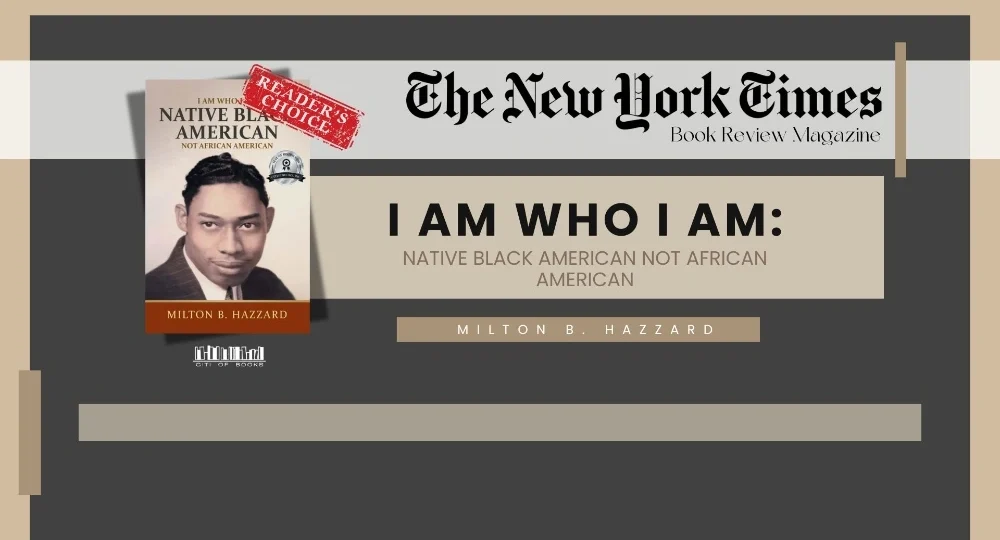
Milton B. Hazzard’s book, “I Am Who I Am: Native Black American,” was among the books featured in the December 2025 issue of The New York Times Book Review (NYTBR) magazine.
Milton B. Hazzard Jr. dedicated 35 years of his life to the United States Army, enlisting in 1960 and rising through the ranks to become a Command Sergeant Major (CSM). He served in various roles, earning the respect of officers from 2nd Lieutenant to 4-Star General, who recognized him as one of the “best of the best.”
Hazzard’s exceptional service led to his selection as one of only seven CSMs worldwide to be retained for 35 years of active duty, and he was a finalist for Sergeant Major of the Army. His distinguished military career includes service as the Quartermaster Regimental Command Sergeant Major; a role he continues to fulfill as Regimental Command Sergeant Major (emeritus) after retirement.
As a Vietnam War veteran, he served both domestically and abroad, earning the Parachutist and Air Assault badges, along with numerous awards, including the Bronze Star Medal with three oak leaf clusters.
Beyond his military achievements, Hazzard was inducted into the Quartermaster Hall of Fame and the United States Army Noncommissioned Officer Leadership Center of Excellence and Sergeants Major Academy Hall of Honor in 2021. He also served his community as an ordained Deacon, faithfully serving God as Chairman of the Deacon Board for 12 years.
“I Am Who I Am: Native Black American” is a compelling argument for rethinking the conventional label of “African American” for Black individuals born in the United States. The book’s cover, featuring a striking image of Hazzard’s father, serves as a powerful emblem of resilience and the deep-rooted heritage that has influenced his identity across generations. This read proposes “Native Black American” as a more accurate and empowering descriptor, grounding his argument in a rich tapestry of historical, biblical, and sociopolitical analysis.
The book delves into pivotal moments in U.S. history, such as the Emancipation Proclamation and the Three-Fifths Compromise, alongside relevant biblical scriptures, to explore the complex interplay of faith, national identity, and race. Through engaging rhetorical questions and relatable analogies, Hazzard challenges readers to critically examine their own understanding of identity and consider the implications of the language we use to define ourselves.
Hazzard’s passionate voice resonates throughout the book, igniting themes of courage, spiritual strength, and perseverance. He calls for a reevaluation of racial and identity terms, emphasizing the importance of clarity and respect for the unique experiences of Native Black Americans. “I Am Who I Am” is more than just a critique of existing labels; it’s an invitation to embrace and celebrate one’s true heritage.
Ultimately, “I Am Who I Am: Native Black American” by Milton B. Hazzard is a powerful call to action. Hazzard encourages Native Black Americans to embrace a self-defined identity that accurately reflects their unique historical and cultural context within the United States. By promoting pride, independence, and spiritual integrity, his work seeks to inspire a movement that fosters cultural self-respect and highlights the significant contributions of Black Americans beyond the broader narrative of the African diaspora.
1 Comment
One of the best to ever do it, with Grace and Precision. Thank you for all the guidance.