When it comes to providing information to the public or introducing a brand, a radio interview is one of the best mediums to use. That is why Citi of Books Publishing cooperated with People of Distinction CBS Radio’s host, Benji Cole, for the inspiring and amazing stories behind every author’s work to be heard.
People of Distinction is a platform for professional and even enthusiast authors to engage in a genuine discussion and learn on inspirations, themes, and narratives from blossoming authors.
This program is hosted by Benji Cole, son of Al Cole, and is the ideal platform for authors who want to widen their readership. Benji Cole is an awesome Los Angeles actor and filmmaker who conducts interviews with guest authors. Take part in the CBS Radio Interview and become a notable guest on one of the most renowned radio shows in the country.
This extensively broadcast talk show has already conducted interviews with 2,000 of the most remarkable people in America over the past few years, including NBC producer Ken Corday and former CBS Morning News anchor Bill Kurtis. Authors who land a spot on this radio interview program will undoubtedly reach millions of listeners who could end up being book customers courtesy of CBS’ prominence and extensive national reach.
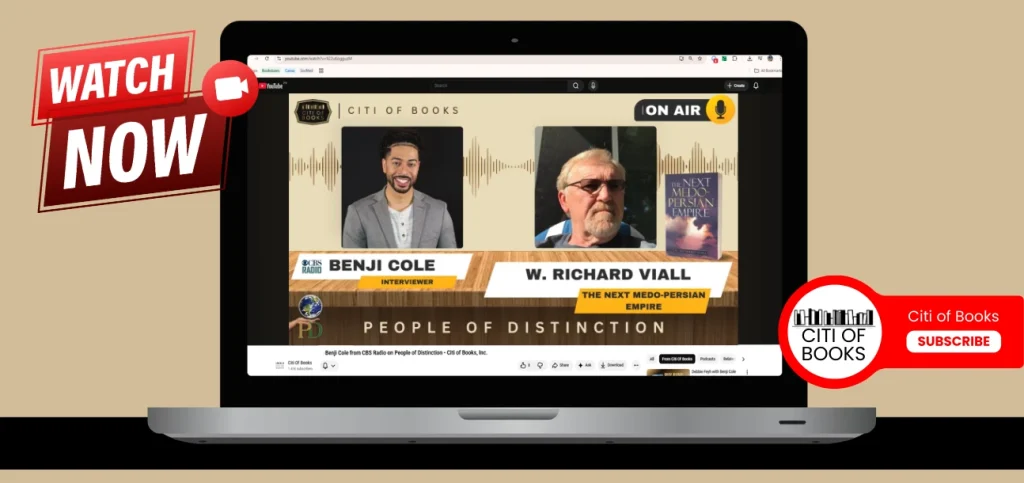
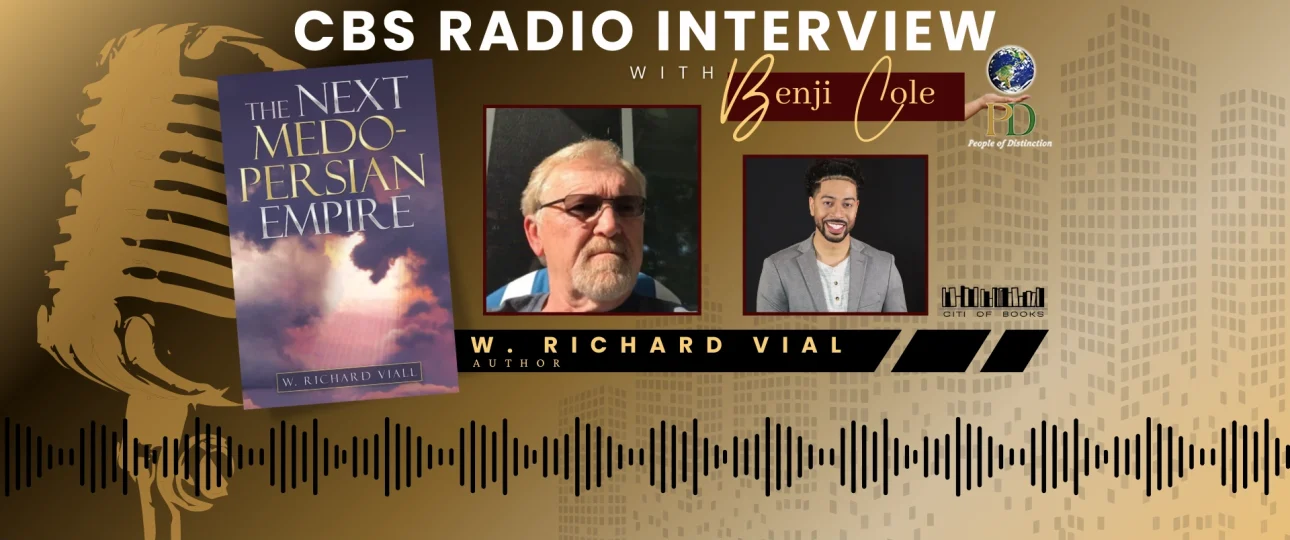
The author of the book “The Next Medo-Persian Empire” W. Richard Viall, was interviewed by Benji Cole of CBS Radio. They talked about the in-depth nature of the book’s theme and inspiration during the interview. Kristina shared her experiences and the other things while building that cache.
“The Next Medo-Persian Empire” is a thought-provoking work that explores the author’s understanding of biblical end-time events. Written by W. Richard Viall, the book examines scriptural passages from books such as Daniel and Thessalonians to propose a scenario about what may occur in the world before the rapture and during the final seven years described in biblical prophecy. This book invites readers to rethink popular assumptions about the end times and consider an alternative interpretation grounded in the author’s study of scripture.
W. Richard Viall is a retired law-enforcement professional who spent decades working in corrections and federal training roles before turning his attention to writing and biblical study. After serving in the U.S. Army, he began his career as a correctional officer and eventually became a training instructor for the Federal Bureau of Prisons at the Federal Law Enforcement Training Center in Georgia.
Viall’s lifelong interest in religion began in childhood when he attended church with family members and later experienced what he describes as a personal realization of faith. Over time he studied multiple Christian denominations and continued examining biblical teachings about prophecy and the end times. This long period of reflection ultimately led him to write The Next Medo-Persian Empire.
“The Next Medo-Persian Empire” by W. Richard Viall examines prophetic passages from the Bible—especially those in the book of Daniel—and proposes that a future alliance in the Middle East may fulfill ancient prophecies about the Medes and Persians. According to his interpretation, a union led by two rulers—one Persian and one Mede—could arise from cooperation between groups such as Iranians and Kurds. This alliance, he suggests, might include multiple Middle Eastern nations and become a major geopolitical force in the region.
The author further argues that this alliance could signal the beginning of events leading up to the rapture and the final seven-year tribulation described in biblical prophecy. Through a combination of literal and allegorical interpretations of scripture, Viall attempts to explain how these events might unfold and what signs believers should watch for. The book therefore serves both as a study of prophecy and as a call for Christians to prepare spiritually for what he believes may lie ahead.
Books on biblical prophecy often attract readers who want to understand how ancient scripture might relate to current events. This book stands out because it offers a unique interpretation linking modern geopolitics with ancient prophetic symbolism.
For readers fascinated by theology, biblical history, or eschatology—the study of end-time events—the book provides a detailed perspective that encourages deeper reflection about how scripture may apply to the modern world.
“The Next Medo-Persian Empire” is a bold exploration of biblical prophecy that blends personal testimony with scriptural analysis. Whether readers agree with the author’s conclusions or not, the book challenges them to examine prophecy carefully, question assumptions, and reflect on the spiritual meaning of global events.
Listen to the full interview below.