
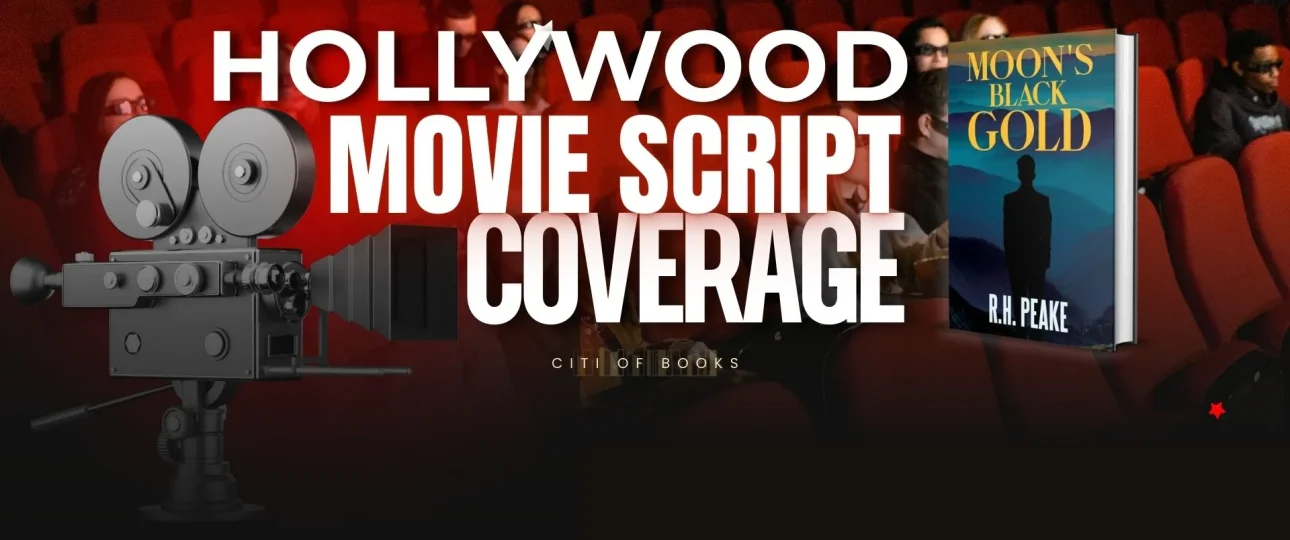
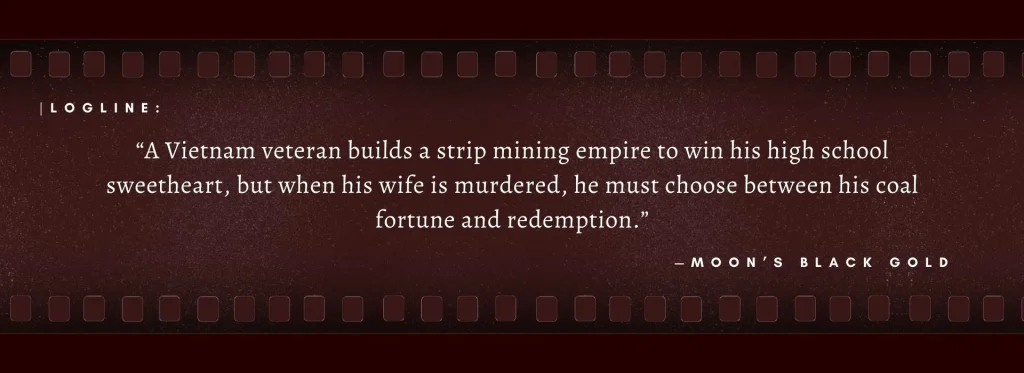
The book, “Moon’s Black Gold” by Richard T Peake received a Hollywood-style script. This story has great potential to be made into an engaging and profitable movie and is likely to do well in the movie industry. Given its detailed narration, it offers a vivid portrayal of the character’s emotions and situations. This not only aims to entertain but also to provoke thought about the changes needed in the way justice is administered and perceived.
The Movie Script Coverage Service is the foundation for writing a screenplay for the author’s book that will be stored in a database for potential movie adaptations by producers who are searching for a new film to adapt. Movie script coverage is a “book report” on a screenplay that contains basic information about the script, a summary of the film or book, and a comments or feedback section that highlights the work’s strengths and weaknesses.
To create a screenplay, an outline or cover of a movie script must first be created. Screenplays are the blueprint for the film that draws individuals into the film industry.
Imagine “Moon’s Black Gold” splashed across the big screen—the coal dust, the mountain shadows, the courtroom tension, and the slow burn of a man trying to outrun his past. This story already feels cinematic, with its post-Vietnam grit, Appalachian setting, and a protagonist whose ambition both fuels and ruins him. A Hollywood movie script would lean hard into Moon Lunamin’s rise-from-the-ashes drive, the forbidden love, and the moral weight of strip mining versus heritage. The bones of a powerful drama are here: family conflict, class divides, environmental reckoning, and a murder that flips everything upside down.
Richard T. Peake’s tone is grounded and deliberate, never flashy for the sake of spectacle, which actually works in the story’s favor. There’s a steady, almost restrained intensity in how Moon’s choices pile up, one after another, until there’s no room left to breathe. For film, that quiet pressure could translate beautifully through pacing and visual storytelling. One possible improvement—said kindly—is letting emotional moments linger just a bit longer on the page, especially in Moon’s relationships. Giving more space to silence, regret, and unspoken tension would give actors even more to work with onscreen.
The contrast between Susan and Gladys feels tailor-made for cinema. Susan represents status, image, and expectation; Gladys represents awakening, curiosity, and real connection. The author handles this contrast with clarity and purpose, and a screenplay could sharpen it further by visually echoing Moon’s internal shift—from the dark hollows of mining towns to the open landscapes of Kenya. Peake’s writing already invites this transformation; a film adaptation would simply amplify it with light, color, and motion.
At its heart, “Moon’s Black Gold” isn’t just a crime drama or a love triangle—it’s a redemption story. The ending, with Moon choosing healing over extraction and growth over greed, would leave audiences reflective rather than neatly satisfied. With a few refinements that deepen emotional beats and sharpen character arcs, this story could move from page to screen with real power. It’s the kind of Hollywood script that doesn’t just entertain—it leaves coal dust on your hands and a question in your chest about what success is really worth.
1 Comment
I like the efforts you have put in this, regards for all the great content.