When it comes to providing information to the public or introducing a brand, a radio interview is one of the best mediums to use. That is why Citi of Books Publishing cooperated with People of Distinction CBS Radio’s host, Benji Cole, for the inspiring and amazing stories behind every author’s work to be heard.
People of Distinction is a platform for professional and even enthusiast authors to engage in a genuine discussion and learn on inspirations, themes, and narratives from blossoming authors.
This program is hosted by Benji Cole, son of Al Cole, and is the ideal platform for authors who want to widen their readership. Benji Cole is an awesome Los Angeles actor and filmmaker who conducts interviews with guest authors. Take part in the CBS Radio Interview and become a notable guest on one of the most renowned radio shows in the country.
This extensively broadcast talk show has already conducted interviews with 2,000 of the most remarkable people in America over the past few years, including NBC producer Ken Corday and former CBS Morning News anchor Bill Kurtis. Authors who land a spot on this radio interview program will undoubtedly reach millions of listeners who could end up being book customers courtesy of CBS’ prominence and extensive national reach.
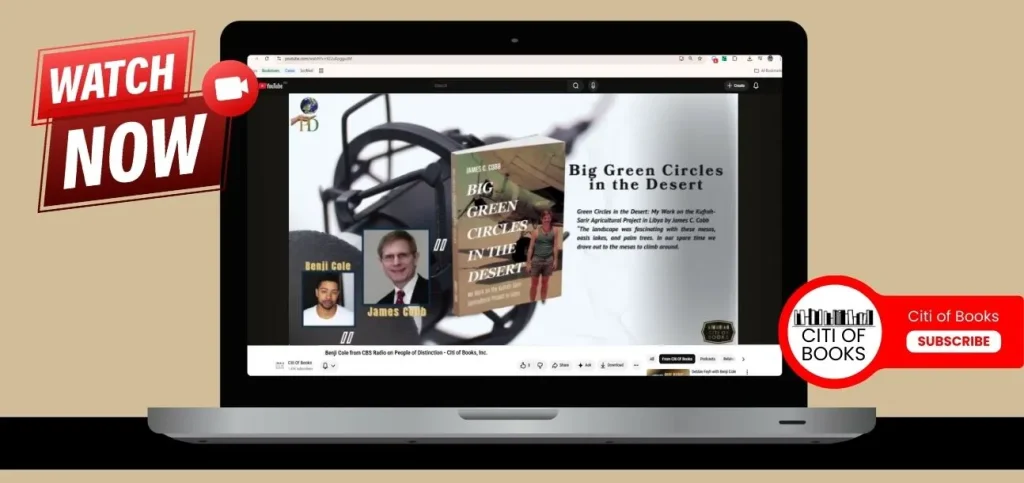
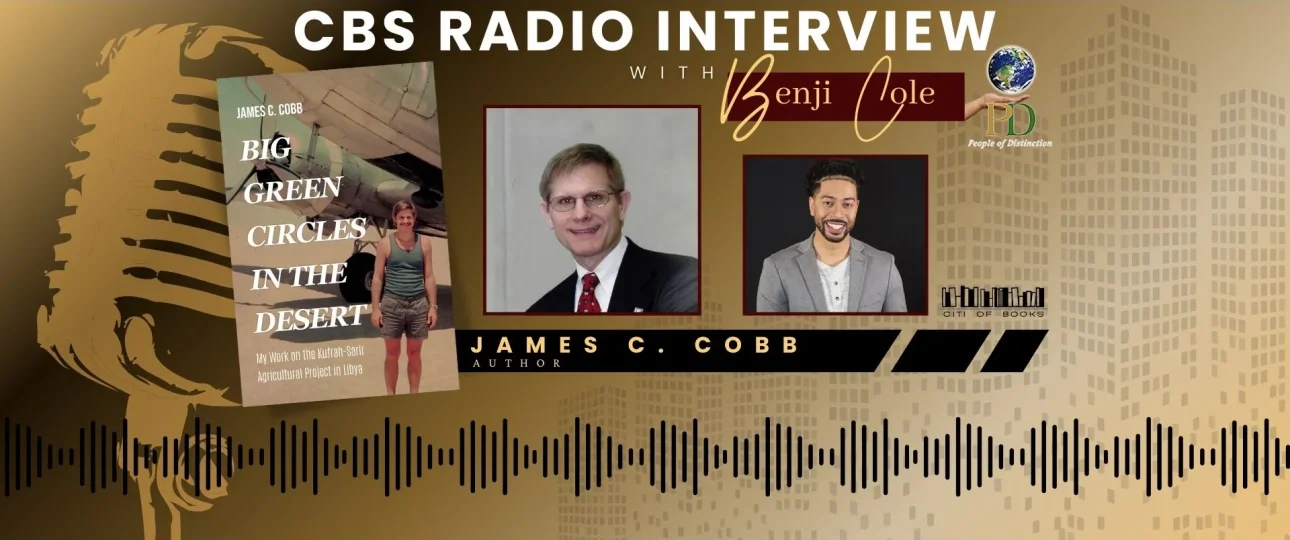
The author of the book “Big Green Circles in the Desert: My Work on the Kufrah–Sarir Agricultural Project in Libya,” James C. Cobb, was interviewed by Benji Cole of CBS Radio. They talked about the in-depth nature of the book’s theme and inspiration during the interview.
“Big Green Circles in the Desert: My Work on the Kufrah–Sarir Agricultural Project in Libya” by James C. Cobb is a vivid and absorbing memoir that draws readers into the heat, dust, and uncertainty of the Middle East and North Africa during the 1970s. Recounted from the perspective of a young American geologist, the book offers an intimate, firsthand account of life and work in some of the world’s most demanding environments.
Few books manage to place readers so fully within a moment, and “Big Green Circles in the Desert: My Work on the Kufrah–Sarir Agricultural Project in Libya” accomplishes this from its opening pages. Cobb transports readers to the relentless heat of the Sahara, the tension of operating in politically volatile regions, and the exhilaration of participating in an ambitious and unprecedented project. While grounded in geology and agriculture, the memoir is ultimately about embracing an unexpected opportunity—and how that decision can alter the course of a life.
The book’s power lies in its honesty. Cobb does not soften the dangers of desert travel, the disorientation of cultural differences, or the high stakes of work where errors could prove fatal. At the same time, he captures moments of wonder, humor, and human connection—shared meals, unfamiliar traditions, and the realization that across borders and belief systems, people seek the same essentials: safety, dignity, and purpose.
Beyond the technical challenges, the memoir unfolds as a story of awakening. Cobb reflects on cultural misunderstandings, political contradictions, and the endurance of ordinary people caught within global power struggles. His experiences in Libya are framed by escalating international tensions, including the closure of the U.S. embassy, U.N. inspections, and Qaddafi’s expanding influence on the world stage.
The book concludes on a contemplative note as Cobb departs Libya, reunites with the woman who would become his wife, and reflects on how the desert reshaped his understanding of humanity, progress, and perspective. An epilogue connects his experiences to Libya’s later Great Man-Made River Project, a monumental continuation of the same aquifer system he once helped study.
In the end, “Big Green Circles in the Desert: My Work on the Kufrah–Sarir Agricultural Project in Libya” stands as more than a memoir—it is a compelling blend of travel narrative, scientific exploration, and personal growth, capturing the enduring spirit of discovery at the intersection of culture, politics, and survival.
Listen to the full interview below.