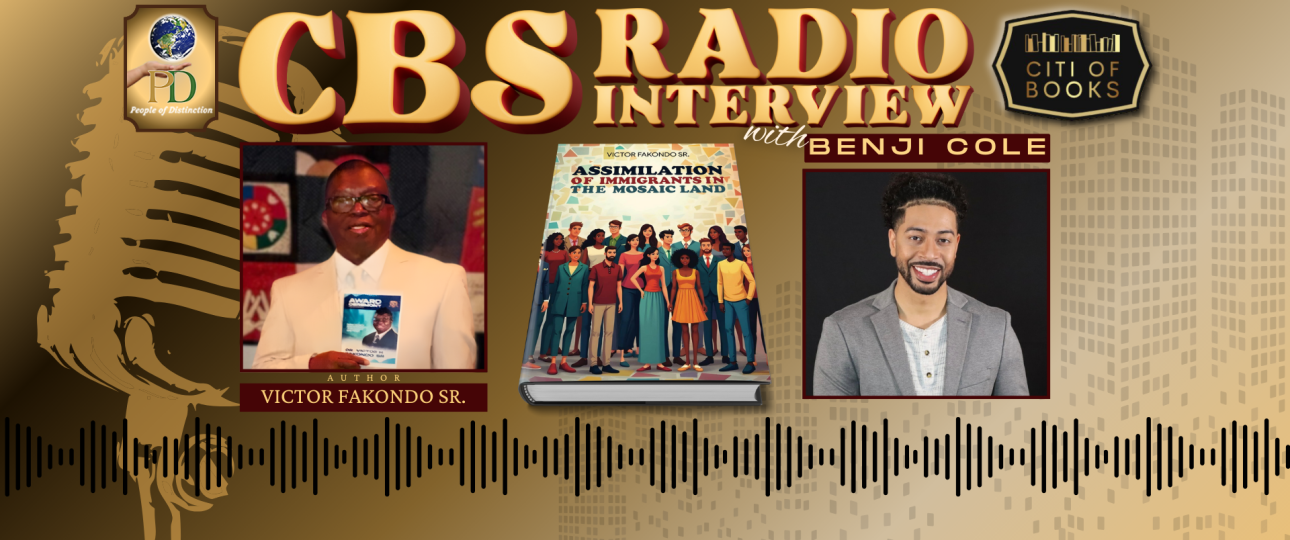
When it comes to providing information to the public or introducing a brand, a radio interview is one of the best mediums to use. That is why Citi of Books Publishing cooperated with People of Distinction CBS Radio’s host, Benji Cole, for the inspiring and amazing stories behind every author’s work to be heard.
People of Distinction is a platform for professional and even enthusiast authors to engage in a genuine discussion and learn on inspirations, themes, and narratives from blossoming authors.
This program is hosted by Benji Cole, son of Al Cole, and is the ideal platform for authors who want to widen their readership. Benji Cole is an awesome Los Angeles actor and filmmaker who conducts interviews with guest authors. Take part in the CBS Radio Interview and become a notable guest on one of the most renowned radio shows in the country.
This extensively broadcast talk show has already conducted interviews with 2,000 of the most remarkable people in America over the past few years, including NBC producer Ken Corday and former CBS Morning News anchor Bill Kurtis. Authors who land a spot on this radio interview program will undoubtedly reach millions of listeners who could end up being book customers courtesy of CBS’ prominence and extensive national reach.
The author of the book “Assimilation of Immigrants in the Mosaic Land,” Dr. Victor H. Fakondo Sr. was interviewed by Benji Cole of CBS Radio. They talked about the in-depth nature of the book’s theme and inspiration during the interview. Fakondo’s storytelling is honest—he does not sugarcoat the difficulties of assimilation, yet he refuses to adopt a purely pessimistic view. Instead, he balances realism with hope, showing that immigrants don’t have to surrender their roots to survive.
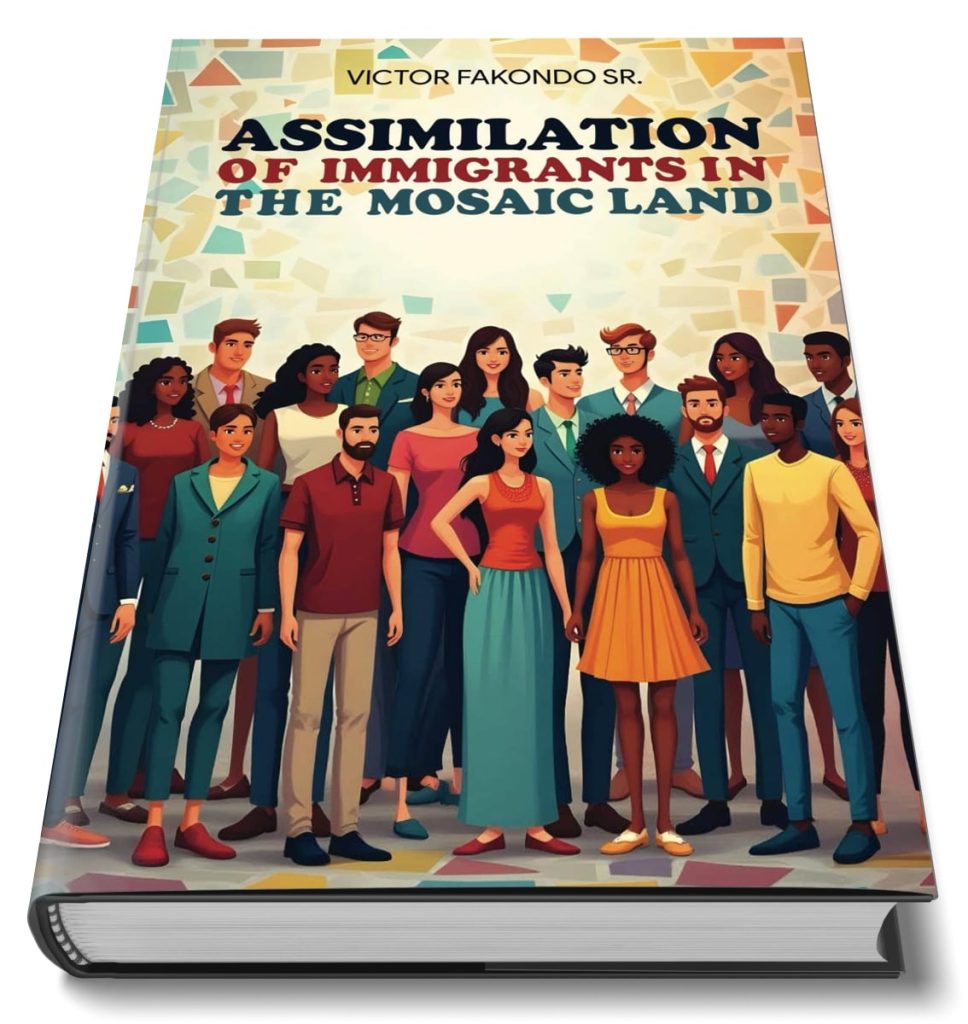
“Assimilation of Immigrants in the Mosaic Land” is a deeply personal and insightful book by Victor H. Fakondo Sr. that delves into the immigrant experience in America, especially focused on African immigrants and minorities. Fakondo combines his own journey with stories of other immigrants to explore the complex balance between preserving one’s cultural heritage and integrating into a new society.
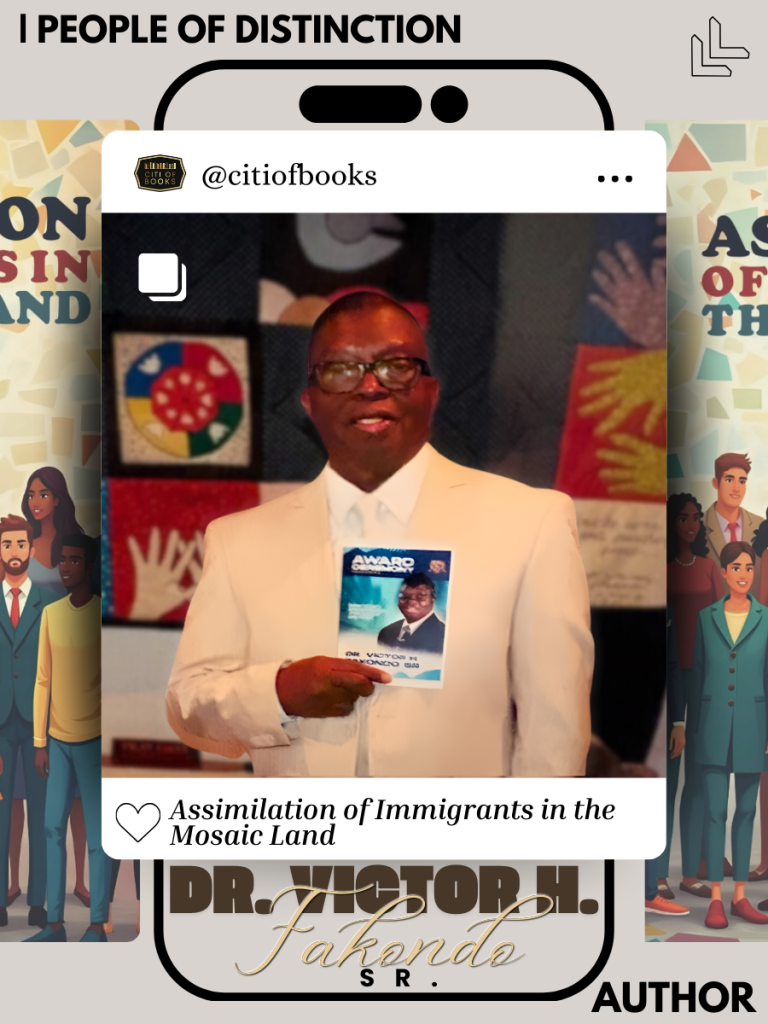
Victor H. Fakondo Sr. is an immigrant, a leader, and a humanitarian with a professional background in healthcare. Amazon His own life story fuels his writing: he draws from his personal experiences of navigating a new land while holding onto his cultural identity, and he shares not only his struggles but also his hard-earned wisdom. His perspective is enriched by both his faith and his commitment to family, making his voice especially heartfelt and authentic.
In this work, Fakondo reflects on the emotional, social, and practical challenges that come with immigrating to a “mosaic land”—a society made up of many different cultures and identities. He confronts issues such as prejudice, stereotyping, and the risk of losing one’s own heritage while trying to fit in. Through personal anecdotes, he describes the internal conflict of wanting to assimilate without erasing his roots, and the ways in which cultural identity can be both a source of strength and a burden.
Fakondo doesn’t just talk about problems; he offers practical guidance and encouragement. He provides strategies to navigate the barriers of assimilation while remaining connected to one’s origins. His reflections serve as both a roadmap and a source of hope for immigrants—and 2nd-generation individuals—who often feel caught between two worlds.
“Assimilation of Immigrants in the Mosaic Land” by Victor H. Fakondo Sr. is more than a personal memoir—it’s a heartfelt, practical, and hopeful exploration of what it means to live between cultures. Whether you’re an immigrant, the child of immigrants, or simply interested in the dynamics of cultural identity in modern society, this book offers insight, encouragement, and a roadmap for balancing heritage and belonging. Fakondo’s reflections invite readers to see assimilation not as erasure, but as a mosaic—where different pieces can coexist meaningfully in a shared space.
Watch the full interview below: